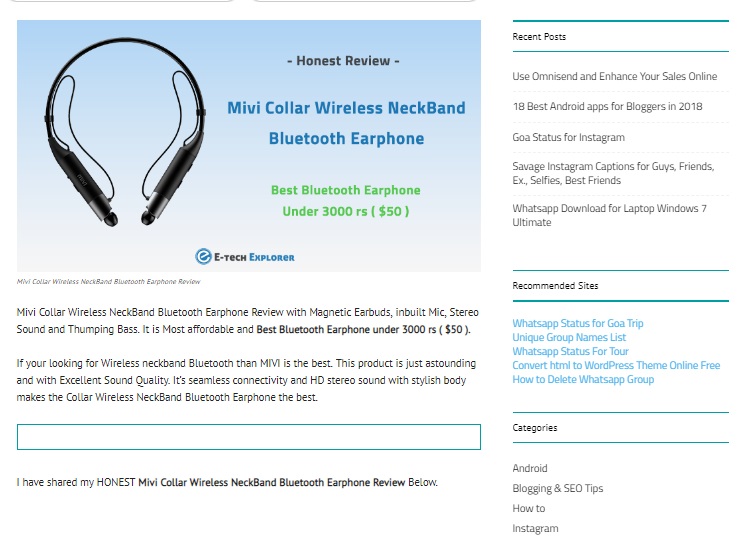
Get Reviewed by a Product Review Blogger
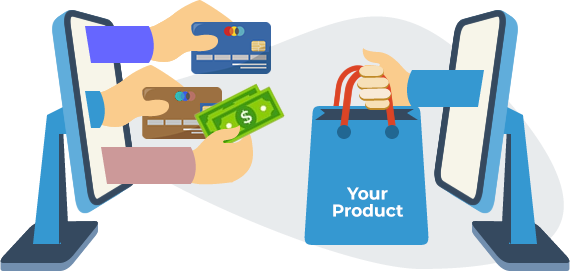
As a business owner, you know that getting the word out about your products is crucial to success. One effective way to do this is through product review blogs. In particular, a product review blogger can be a valuable resource in helping to market your products and increase sales.Ready to get reviewed? Click here
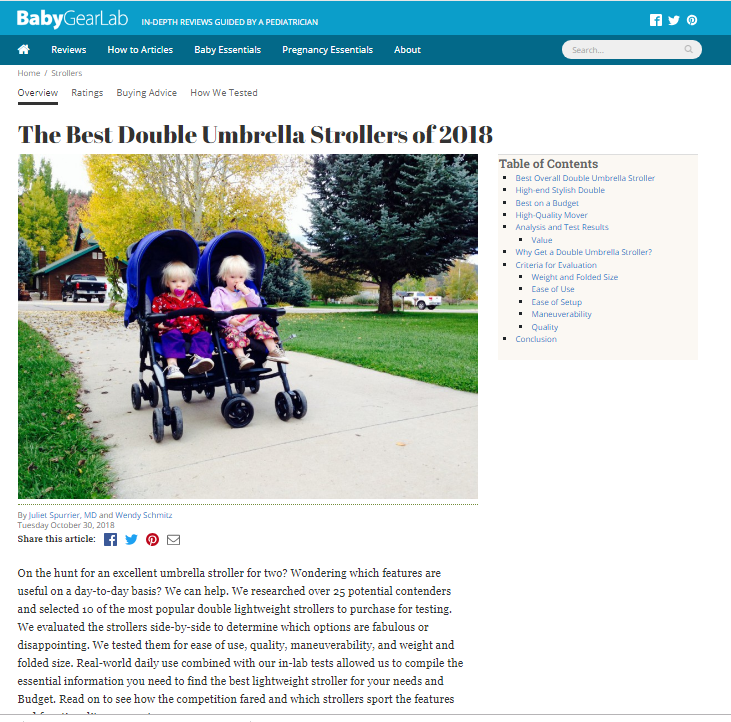
Looking to improve your brand's online reputation?
Get reviews on product review blogs and watch your brand grow. With our product review blogger platform, you will boost awareness of your products, as blogger reviews can significantly impact a product's success. When a blogger writes a positive review of your product, it can help to build buzz and generate interest among their followers.Build awareness for your brand today
Having trouble getting traffic?
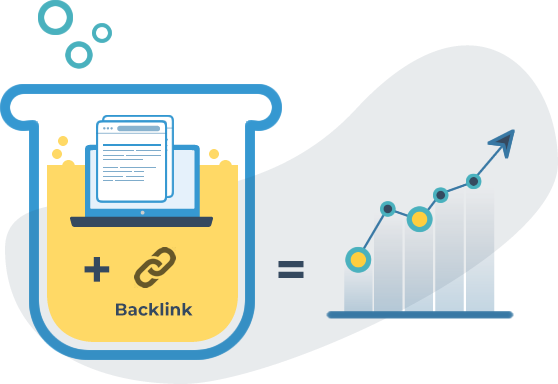
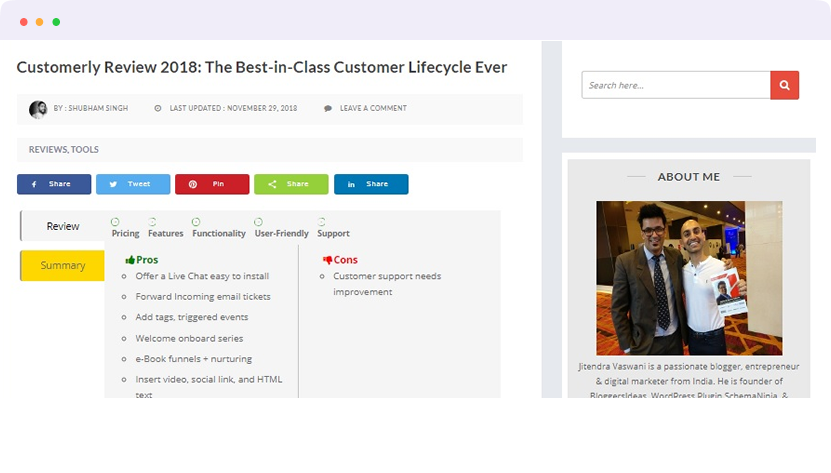
Quality backlinks are a great way to get unique traffic to your product page or website. With our product review blogger platform, you can drive visitors to your e-commerce store or sales page. You can connect with bloggers in your industry with a large follower base and high website traffic and get leads to your product or service.Access our great backlinks now
Looking to Monetize Your Blog?
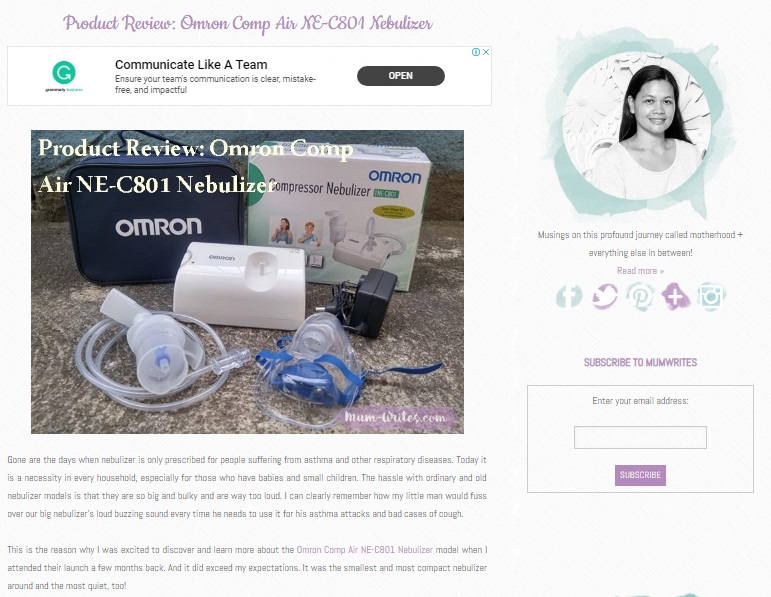
GetReviewed can help. Suppose your blog attracts over 100 unique visitors daily, or you have a solid following on social media. In that case, we can help you monetize your influence by connecting you with trusted advertisers. Our team of experts will work closely with you to understand your blog's niche and target audience, ensuring that the advertising partnerships we establish align with your brand and enhance your readers' experience. With our product review blogger platform, you can unlock the full potential of your blog and turn your passion into a profitable venture.Learn more about our network here